In today’s digital world, uninterrupted power supply is essential for both homes and businesses. Whether it’s for critical devices, computers, servers, or household appliances, a sudden power failure can result in data loss, equipment damage, and operational downtime. This is where a UPS for power supply becomes indispensable. In this article, we explore what a UPS is, how it works, its benefits, types, and how to choose the right one for your needs.
What is a UPS?
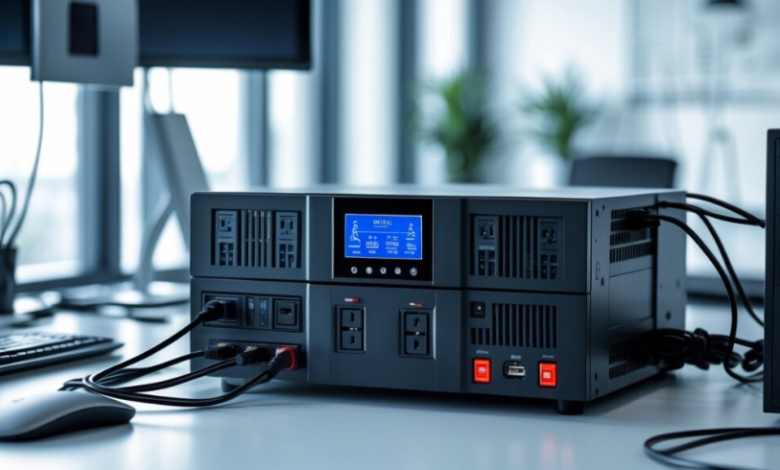
A UPS (Uninterruptible Power Supply) is a device that provides emergency power to a load when the main power source fails. Unlike conventional generators, which require time to start, a UPS instantly supplies power from its battery or energy storage system. This ensures that connected devices continue to operate without interruption during power outages or voltage fluctuations.
How Does a UPS Work?
The operation of a UPS depends on its type, but the basic principle remains the same:
- Power Monitoring: The UPS constantly monitors the main power source for voltage fluctuations or outages.
- Battery Backup Activation: When the UPS detects a power failure, it switches to its internal battery within milliseconds.
- Voltage Regulation: Most UPS systems also regulate voltage to protect devices from surges, spikes, and sags.
- Power Continuity: Connected devices continue operating seamlessly until the main power is restored or the battery is depleted.
See also: How to Sell Your Home Fast in a Competitive Market
Types of UPS for Power Supply
Choosing the right UPS depends on your requirements and the sensitivity of your equipment. Here are the main types:
1. Standby (Offline) UPS
- Provides basic power protection.
- Switches to battery power only during an outage.
- Ideal for small home or office devices such as routers, PCs, and monitors.
2. Line-Interactive UPS
- Offers better voltage regulation.
- Can handle minor voltage fluctuations without switching to battery.
- Suitable for small servers, workstations, and network equipment.
3. Online (Double-Conversion) UPS
- Provides continuous power from the battery, even when the main power is normal.
- Offers the highest level of protection against surges, blackouts, and frequency variations.
- Best suited for data centers, large servers, and critical industrial equipment.
Benefits of Using a UPS
Investing in a UPS for power supply provides numerous advantages:
- Uninterrupted Power: Ensures your devices continue running during outages.
- Data Protection: Prevents data loss due to sudden shutdowns.
- Equipment Safety: Protects sensitive electronics from voltage fluctuations and surges.
- Operational Continuity: Keeps businesses functional during power disruptions.
- Peace of Mind: Reduces stress associated with unexpected blackouts.
How to Choose the Right UPS
When selecting a UPS, consider these factors:
- Power Capacity: Ensure the UPS can handle the total wattage of connected devices.
- Battery Runtime: Determine how long you need the devices to run during an outage.
- Number of Outlets: Check if the UPS provides enough outlets for all your devices.
- Form Factor: Consider whether you need a desktop, tower, or rack-mounted UPS.
- Additional Features: Look for LCD displays, surge protection, and software integration for monitoring.
Maintenance Tips
Proper maintenance prolongs the life of your UPS:
- Regularly check battery health.
- Keep the UPS in a cool, dry environment.
- Avoid overloading the UPS beyond its rated capacity.
- Perform periodic tests to ensure the system functions correctly.
FAQs About UPS for Power Supply
Q1: Can a UPS power an entire house?
A: Standard UPS units are typically designed for individual devices or small systems. Whole-house backup requires a larger, industrial-grade UPS or generator.
Q2: How long does a UPS battery last?
A: Most UPS batteries last between 3 to 5 years, depending on usage and maintenance.
Q3: Is UPS the same as a generator?
A: No. A UPS provides instant backup from its battery, while a generator needs fuel and takes time to start.
Q4: Can I use a UPS for sensitive medical equipment?
A: Yes. Online UPS systems are recommended for critical medical and industrial equipment due to their consistent and clean power output.
Q5: Does a UPS consume power when not in use?
A: Yes, it draws a small amount of power to keep the battery charged and maintain readiness.
Conclusion
A UPS for power supply is no longer a luxury—it’s a necessity in a world heavily dependent on electronics and continuous connectivity. By providing immediate backup power and protecting devices from voltage fluctuations, a UPS ensures safety, reliability, and operational continuity. Selecting the right type, capacity, and features tailored to your needs will safeguard your equipment and data from unexpected power interruptions.